

マイナビコメディカルの評判・口コミ|登録前にチェック!

理学療法士の転職ならマイナビコメディカルがオススメ!という評判をよく見かけるけど、実際はどうなんだろう?
こんな悩みにお答えします。
この記事を読むことで、PTOT人材バンクの口コミ・評判、メリット・デメリット、特徴を知ることができます。自分に合う転職サイトか判断できるようになります。
理学療法士の転職サイトとして定評のある「マイナビコメディカル」
しかし、本当に自分に合う転職サイトなのか気になる方も多いはずです。
結論からいうと、マイナビコメディカルは理学療法士の転職サイトとして実績が豊富でみなさんにオススメ!
こんな人にオススメ
- 信頼感のある大手転職サイトを活用したい
- 求人数が豊富な転職サイトがいい
- 非公開求人をたくさん紹介して欲しい
- 転職がはじめてのためサポートをしっかりと受けたい
今回は、マイナビコメディカルの評判・口コミ、特徴、活用方法までまとめてご紹介します。
マイナビコメディカルはサポートが手厚い理学療法士転職サイト|総合評価4.5点
マイナビコメディカルはサポートの手厚さに定評がある理学療法士の転職サイトです。
総合評価は4.5点/5点満点の高評価。
「全国展開、求人数豊富、大手運営」の3拍子がそろうマイナビコメディカルは、すべての理学療法士にオススメ!
7つの評価項目で採点
| 公開求人数 | 対応地域 | 高年収求人の数 | 企業の信頼性 |
| 10,784件 (4.0) |
全国 (4.0) |
150件以上 (4.0) |
運営元:㈱マイナビ (5.0) |
| 口コミ・評判 | サイトの操作性 | サポート体制 | |
| 良好 (4.0) |
良好 (4.5) |
良好 (4.5) |
全国各地の豊富な求人を取りそろえていますが、その中でも都市圏の求人が多いのが特徴。
会員登録すれば、非公開求人といって高年収・好条件な求人を優先して紹介してもらえる可能性もあります。
また、マイナビコメディカルの強みでもある転職サポートが充実!
親身に相談に乗ってもらうことができるので、不安な転職活動も心強いです。
 moco
moco転職がはじめてで不安な人は、マイナビコメディカルに転職相談してみるのがオススメです!
マイナビコメディカルの悪い評判・デメリット4つ
マイナビコメディカルの悪い評判・デメリットを4つ紹介します。
- 非公開求人が多く会員登録は必須
- 求人数が地域によっては少ない
- 担当アドバイザーとの相性が合わない可能性
- 連絡が多くしつこいと感じることもある
悪い評判①非公開求人が多く会員登録は必須
非公開求人を豊富に取りそろえていますが、これは会員登録していないと見ることは出来ません。
理想の求人はいつ出会えるかわからないので、常に転職市場に身を置いておくことが重要。
すぐに転職予定がない人も登録はOK!
moco条件に合う求人をメールで送ってもらうことも出来ます!
悪い評判②求人数が地域によってばらつきがある
マイナビコメディカルは全国対応の転職サイトですが、地域によってはかなり求人数が少ないところもあります。
求人数が少ない地方で求人探しをする場合は、ハローワークや大手転職サイトのPTOTSTワーカーまたはPTOT人材バンクの利用も1つの手です。
悪い評判③アドバイザーとの相性が合わない可能性
業界大手マイナビの運営なので、アドバイザーのサポート水準もある程度一定に保たれています。
しかし、どうしても担当者によって相性の良し悪しは出てくる可能性はあります。
もし担当変更して欲しいなと感じたら、お問い合わせフォームまたは電話から担当者の対応に満足できない旨を連絡するだけで変更に応じてもらえます。
moco担当者の質も転職の成功を左右します。不信感を感じたら遠慮なく変更依頼しましょう。
悪い評判④連絡が多くしつこいと感じることもある
サービス利用の序盤は「連絡が頻繁に来てしつこい」と感じる人もいるようです。
しかしこれは、エージェント側が転職時期や希望条件などのヒアリングが不十分なことが原因として多いです。
moco連絡頻度やタイミングをあえかじめ伝えておくと、ストレスなくやりとりできます。
マイナビコメディカルの良い評判・メリット4つ
一方で、マイナビコメディカルの良い評判・メリットを4つ紹介します。
- アドバイザーが直接病院(施設)に訪問し厳選した求人を取りそろえる
- 履歴書の添削指導や面接対策まで転職サポートが充実
- 転職に役立つコンテンツが豊富
- サイトの操作性が抜群、自分でも求人検索が簡単にできる
- LINEで気楽に連絡のやりとりができる
良い評判①アドバイザーが直接病院(施設)に訪問し厳選した求人を取りそろえる
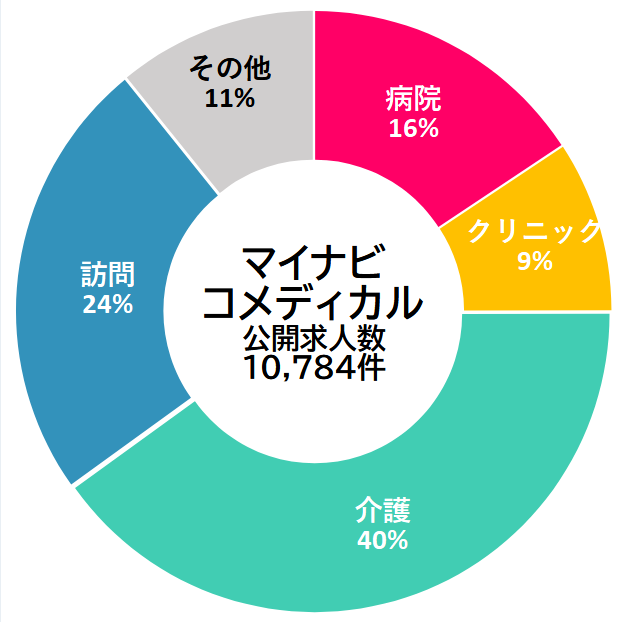
マイナビコメディカルは、病院・クリニック、介護施設、訪問系など豊富な就業先をバランスよく取りそろえているのが特徴です。
紹介される求人は、アドバイザーが自ら担当エリアの病院(施設)に足を運び、求人の内容に相違がないか1件1件調査している徹底ぶり!
mocoホームページにも「紹介する求人は職員の定着率が高いものにこだわっている」と記載されいます。
良い評判②履歴書の添削指導や面接対策まで転職サポートが充実
苦手な人も多い履歴書・職務経歴書の添削指導、面接対策までしっかりと行ってくれます。
「履歴書の書き方がわかない、面接が不安」といった方も、アドバイザーが丁寧にサポートしてくれるので安心です。
良い評判③転職に役立つコンテンツが豊富
マイナビの蓄積された転職ノウハウを学べるコンテンツが充実しています。
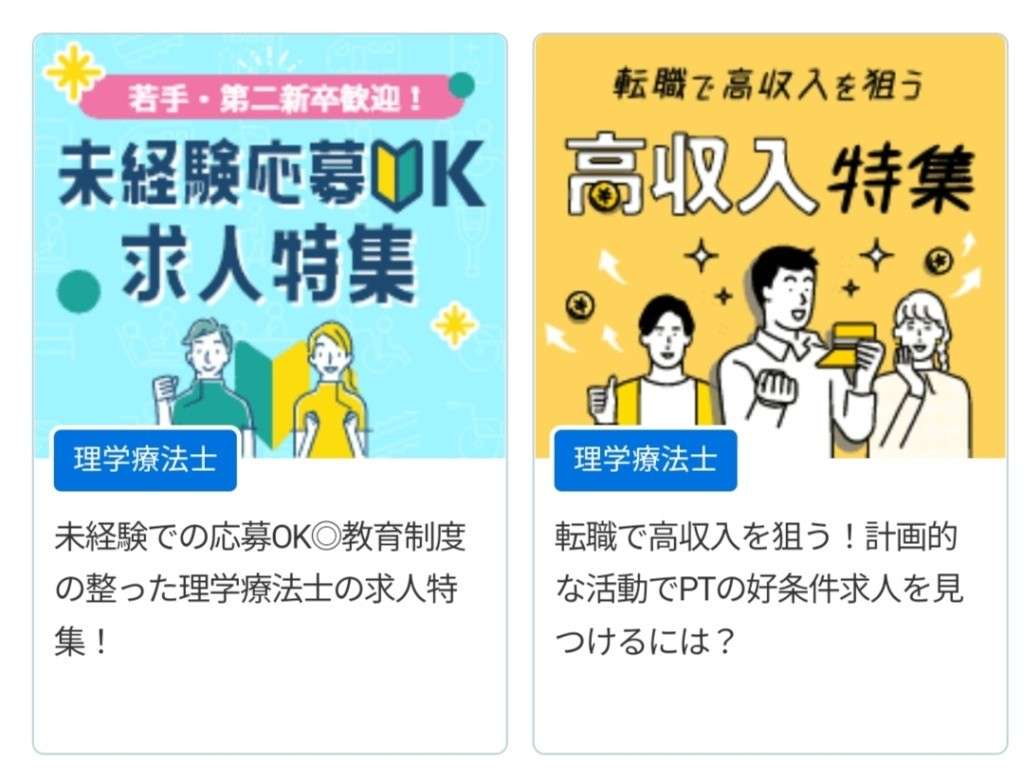
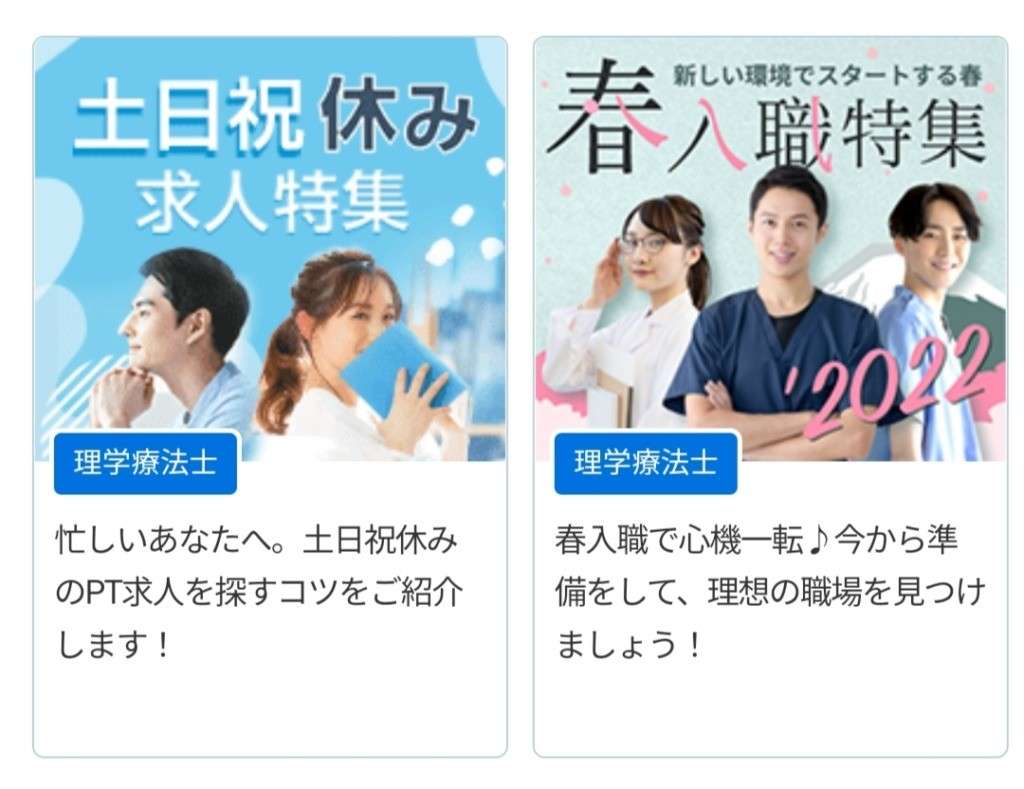
求人検索のしやすさはもちろん、テーマごとの求人特集や転職ノウハウが紹介されてたコラムは必読!
おすすめ特集(例)
 moco
moco楽しみながら求人探しをしたり、転職ノウハウについて学ぶことが出来ますね!
良い評判④サイトの操作性が抜群、自分でも求人検索が簡単にできる
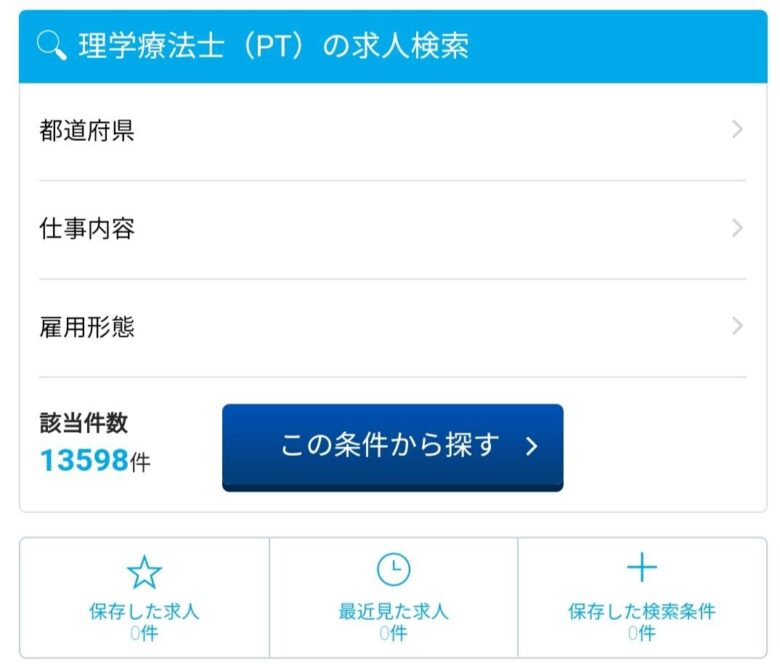
マイナビコメディカルはPC版・スマートフォン版ともに操作しやすいサイト設計になっています。
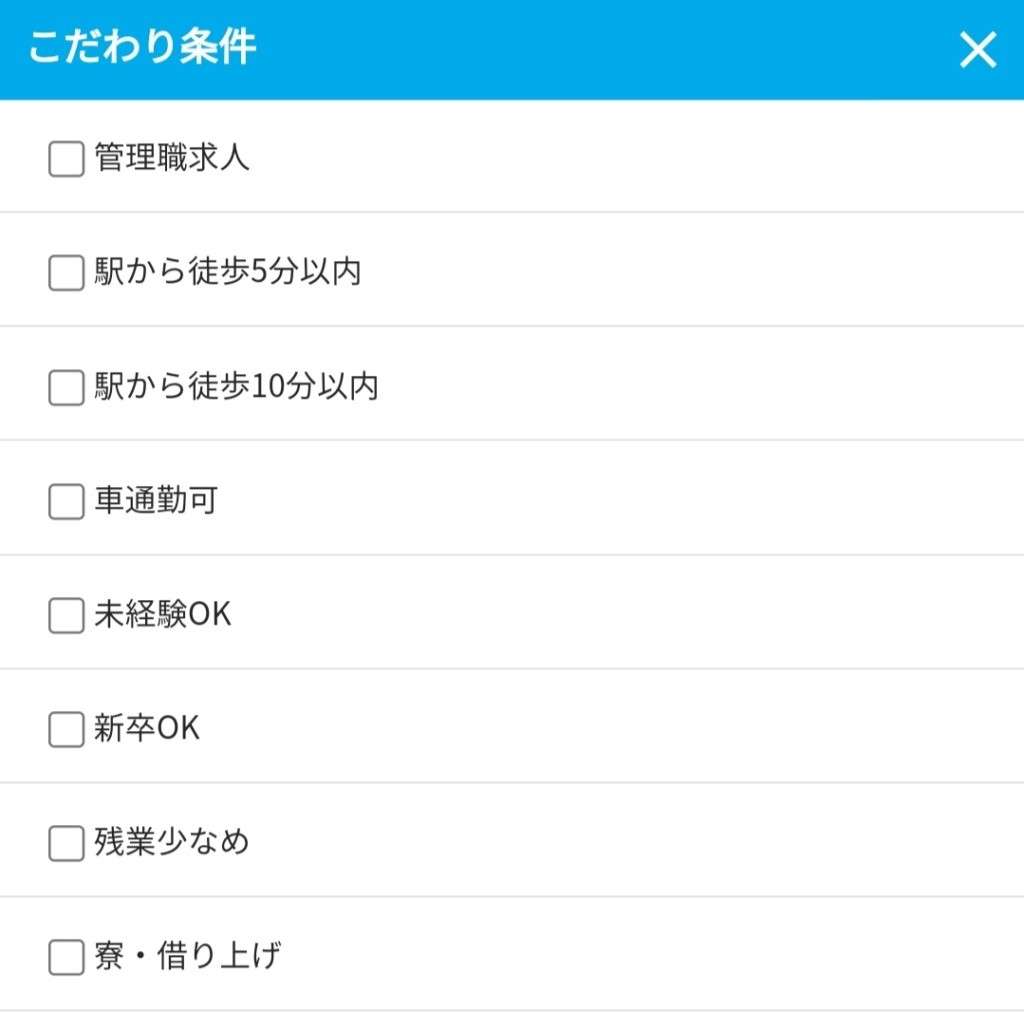
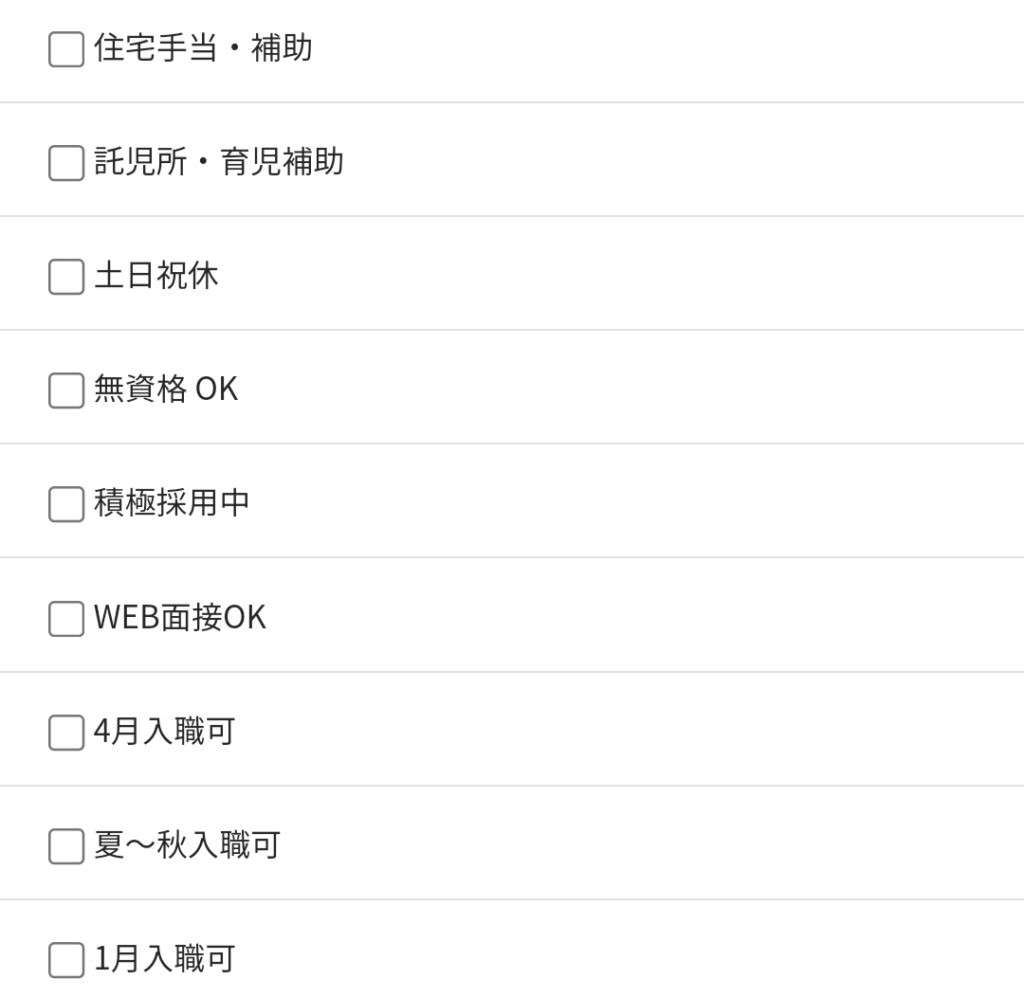
特に重要な求人検索は、都道府県と職種の設定だけでなく豊富なこだわり条件を追加設定できます。
設定できる求人の検索条件
 moco
mocoすきま時間でもスマホで、自分に合った求人を探しができるので便利です。
良い評判⑤LINEで気楽に連絡のやりとりができる
担当アドバイザーとの連絡は電話やメールだけでなく、LINEを活用することができます。
- 電話だと忙しくてなかなか出れない
- メールはチェックするのを忘れてしまう
こんな方でもLINEなら確認漏れを防ぐことができます。
moco気軽にアドバイザーとの連絡がとれるのも嬉しいポイント!
マイナビコメディカルの4つの特徴
特徴としては、大きく下記の4つがあります。
- 大手マイナビ運営のコメディカル職特化型の転職サイト
- 非公開求人が豊富にある
- マイナビのノウハウを活かした転職サポートが充実
- サービス利用は完全無料
特徴①大手マイナビ運営のコメディカル職特化型の転職サイト
マイナビコメディカルは、大手マイナビ運営・業界最大級の求人数を誇るコメディカル職特化型の転職サイトです。
理学療法士の公開求人数は10,784件。
主要他社の公開求人数
  |
  |
 |
  |
 |
|
| 公開PT求人数 | 19,131件 | 16,934件 | 10,784件 | 9,282件 | 1,127件 |
| 対象地域 | 全国 | 全国 | 全国 | 全国 | 全国 |
地域別の公開求人数
北海道・東北
| 北海道 | 347 |
| 青森 | 16 |
| 秋田 | 11 |
| 岩手 | 27 |
| 山形 | 18 |
| 宮城 | 76 |
| 福島 | 39 |
関東
| 東京 | 1866 |
| 神奈川 | 1171 |
| 千葉 | 596 |
| 埼玉 | 701 |
| 茨城 | 260 |
| 栃木 | 91 |
| 群馬 | 155 |
中部
| 新潟 | 86 |
| 長野 | 41 |
| 山梨 | 20 |
| 富山 | 31 |
| 石川 | 56 |
| 福井 | 32 |
| 愛知 | 723 |
| 岐阜 | 224 |
| 静岡 | 285 |
近畿
| 三重 | 174 |
| 滋賀 | 102 |
| 京都 | 251 |
| 大阪 | 1469 |
| 奈良 | 175 |
| 和歌山 | 51 |
| 兵庫 | 648 |
中国・四国
| 広島 | 86 |
| 岡山 | 47 |
| 山口 | 34 |
| 鳥取 | 4 |
| 島根 | 6 |
| 徳島 | 16 |
| 香川 | 34 |
| 愛媛 | 41 |
| 高知 | 8 |
九州・沖縄
| 福岡 | 421 |
| 佐賀 | 26 |
| 長崎 | 38 |
| 熊本 | 101 |
| 大分 | 42 |
| 宮崎 | 25 |
| 鹿児島 | 65 |
| 沖縄 | 47 |
moco全国に求人はありますが、都市圏に比較的求人が集まっているのが特徴です。
特徴②非公開求人が豊富にある
さきほど紹介した公開求人の他に、非公開求人も抱えています。
気の医療機関などが経験・能力にマッチした希望者を集中的に集めるため、公に公開されていない求人のこと。高年収・好待遇の求人が多いのが特徴。
取り扱っている求人数の約40%は非公開求人であり、会員登録することで転職希望にマッチした非公開求人を紹介してもらえる可能性が高まります。
moco好条件な求人を紹介して欲しい人は登録必須!
特徴③マイナビのノウハウを活かした転職サポートが充実
理学療法士の特殊性・市場ニーズに詳しい専門のアドバイザーが、転職活動をフルサポートをしてくれます。
転職サポートの内容
- 丁寧なアセスメント、キャリア相談
- 豊富な求人の中から条件にぴったりの求人を紹介
- 履歴書・職務経歴書の書き方のアドバイス、面接対策のサポート
- 応募手続きや条件交渉などの応募先とのやり取りを代行
- 退職・入社後のサポート
moco転職活動が不安、効率よく転職活動を進めたい方はぜひ活用しましょう!
特徴④サービス利用は完全無料
マイナビコメディカルはすべてのサービスを完全無料で利用できます。
なんで無料で利用できるの?
転職エージェントは紹介をもとに採用が決定したとき、求人依頼をしていた病院(施設)側から成功報酬を受け取ることで経営を成り立たせています。
 moco
mocoだから私たちはサービスを無料で利用することができるんですね。
マイナビコメディカルを利用した人の評判・口コミ
実際にマイナビコメディカルを利用した人の評判・口コミを紹介します。
※お客様の声の一部を掲載しています
※いただいた口コミを一部編集のうえ、掲載しています
※掲載基準はこちらをご確認ください
moco実際の利用者の声を参考にしてね!
マイナビコメディカル公式サイトより引用
良い評判・口コミ
求人情報について、条件に合った求人を複数提案してもらえました。 面接の対策をしてもらえることや、 面接のスケジュールなどの管理、応募の辞退など、1人では大変な部分を任せることができ、スムーズに入職までの準備に専念することができました。
きめ細かくアドバイスをいただけて心強く、こちらの要望にも応えてくださりとても助かりました。 内定が出た時に一緒に喜んでいただいて嬉しかったです。 ストレスがほとんどなく、短期間で活動を終えることができたのは全てご担当頂いた方のおかげだと思っています。
担当者の対応が親切丁寧でとても好印象でした。親身になって転職活動を担当していただき、ありがとうございました。精神的にまいってる中で根気強くサポートしていただいてとても助かりました。
悪い評判・口コミ
探した範囲で悪い口コミ・評判はみつかりませんでした。
マイナビコメディカルの会社概要
マイナビコメディカルは人材紹介業大手のマイナビが運営する、コメディカル職特化型の転職サイトです。
特に、PT・OT・STの転職支援を得意しており、長年蓄積された転職ノウハウによりしっかりとサポートしてもらえます。
また、マイナビコメディカルは優良な転職支援サービスの証として、下記から認定を受けています。
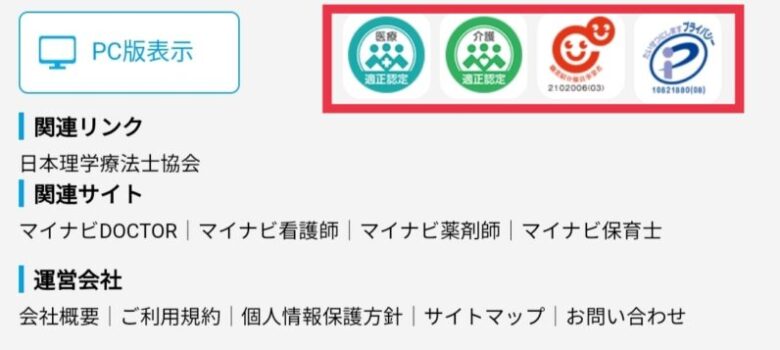
プライバシー保護を遵守、優良職業紹介事業者の認定を受けている、安心の転職支援サービスといえます。
マイナビコメディカルの登録方法と活用方法
マイナビコメディカルの登録方法と使い方について解説します。
登録方法と登録後の流れ
- 会員登録
- ヒアリング
- 求人紹介
- 応募(履歴書添削)
- 面接(面接対策)
- 内定・雇用条件の交渉
- 入職・アフターフォロー
会員登録は公式サイトから最短1分で完了します。
登録方法はコチラ
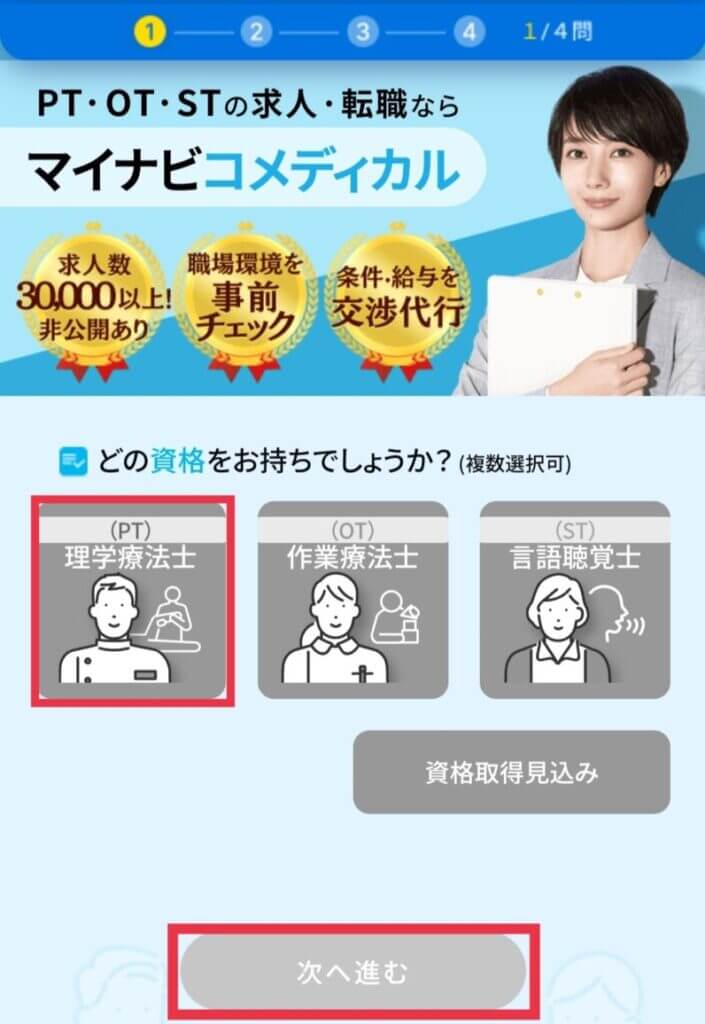
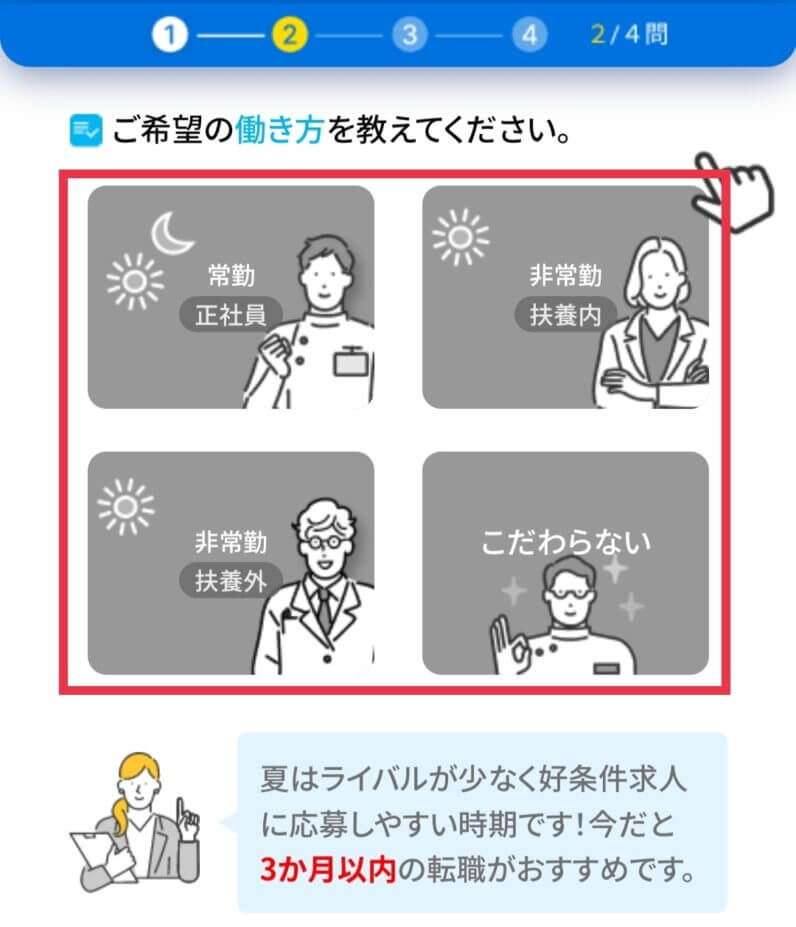
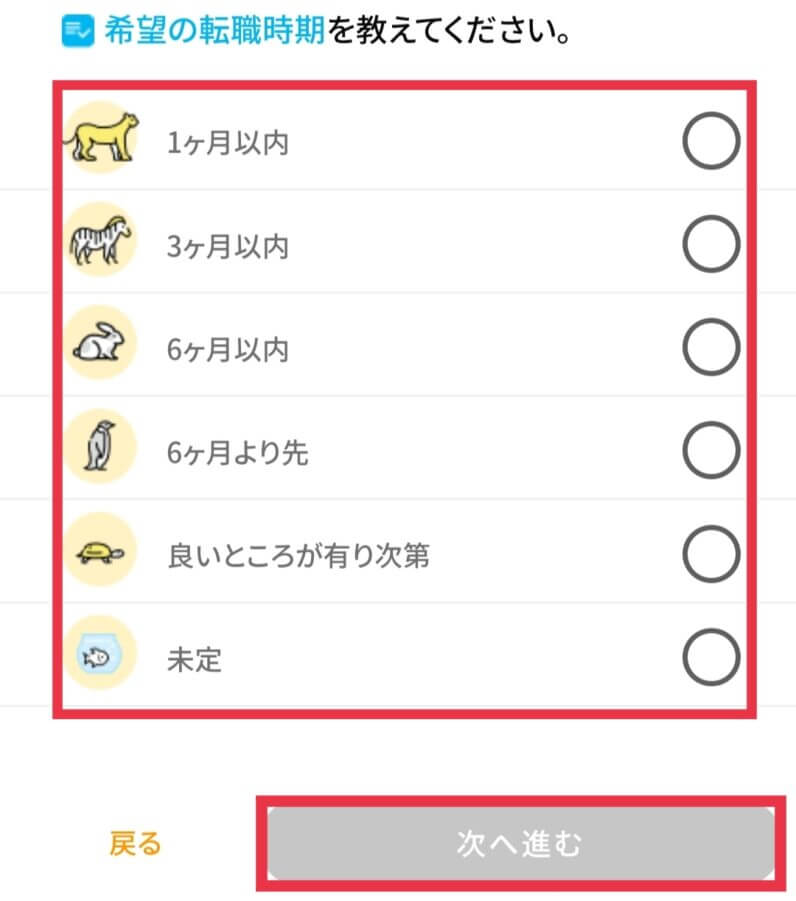 moco
mocoいま考えているおおまかな転職時期でOKです。
登録後のヒアリングで詳しく相談できます。
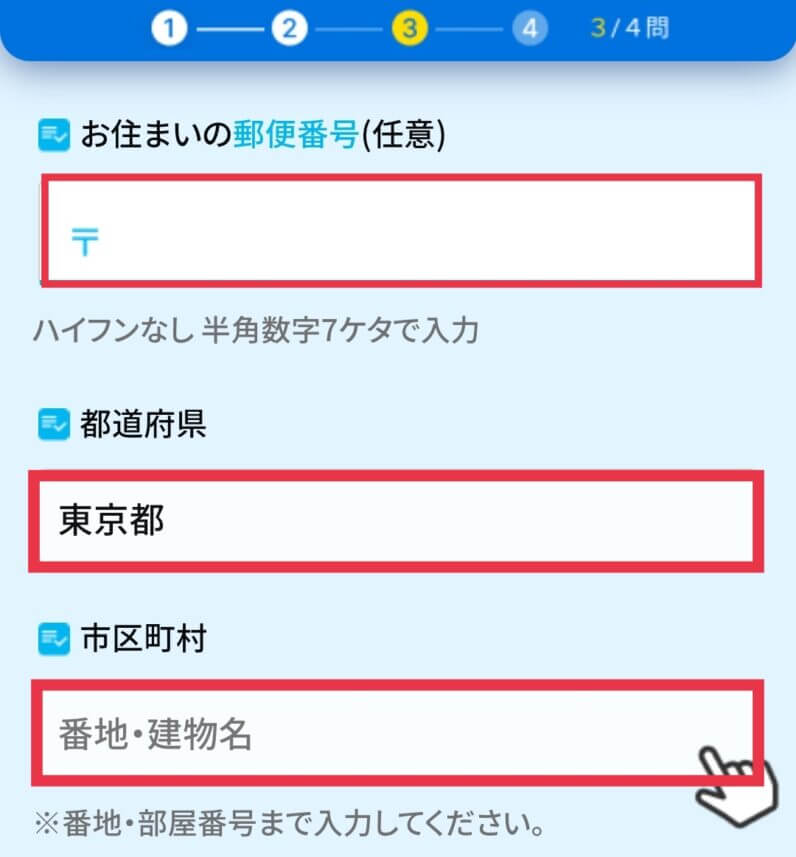
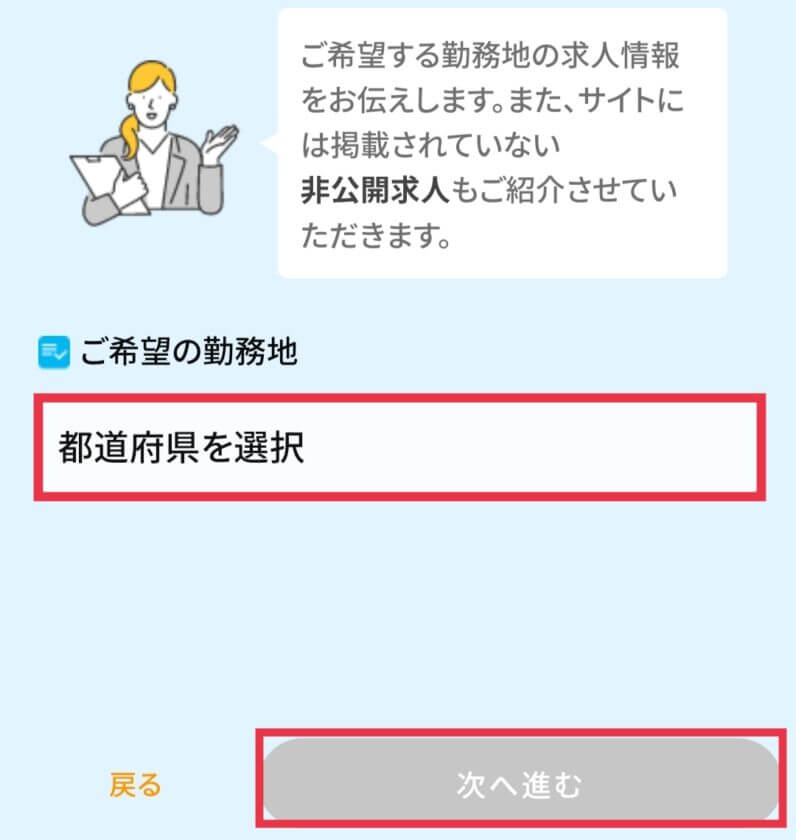 moco
moco希望勤務地の情報を元に求人紹介があります。
登録完了後のヒアリングで、詳細について相談できますよ。
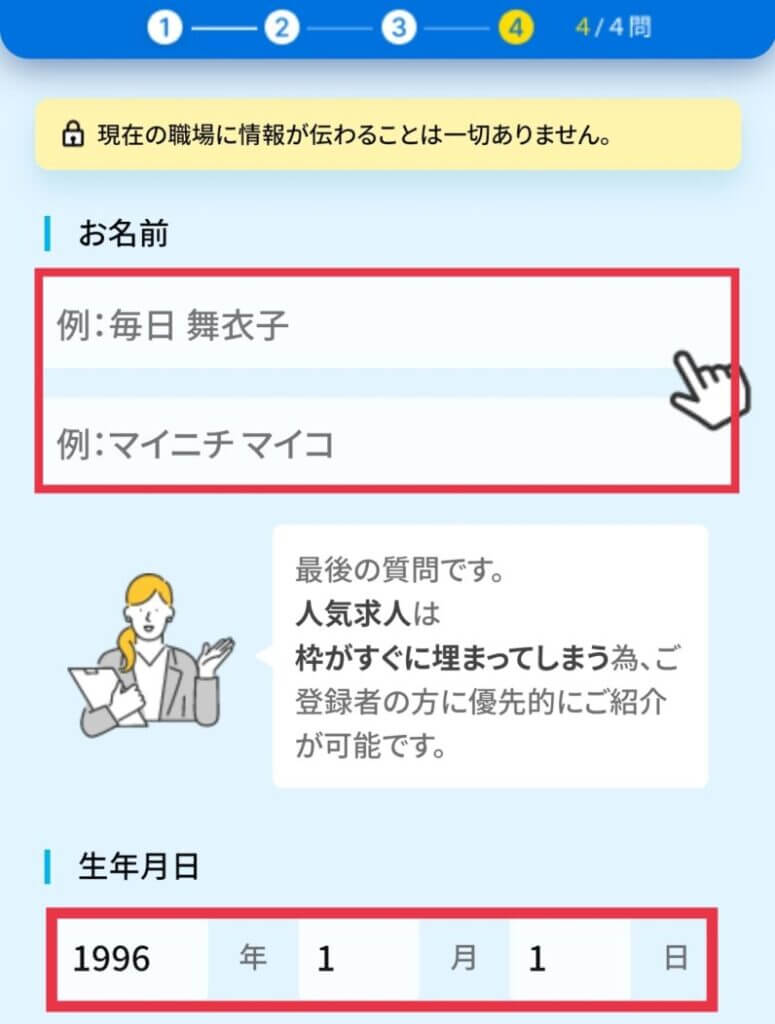
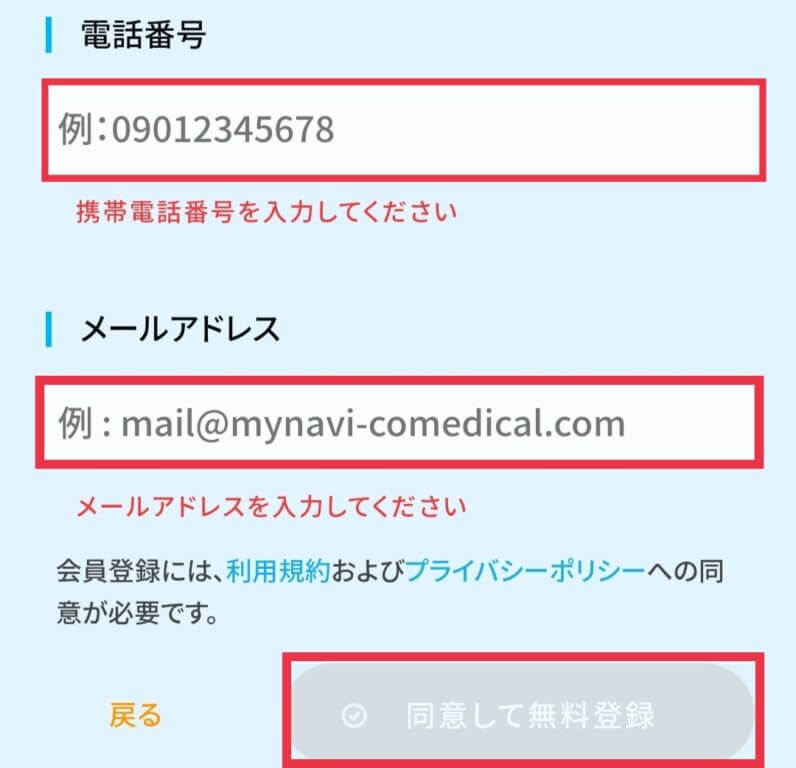
最後に「同意して無料登録」をタップして、登録は完了です。
mocoメールで求人情報をもらいたい方は、日常的に使っているメールアドレスを入力しておきましょう。
会員登録をすると、速やかに担当アドバイザーから電話(ヒアリング)が来ます。
ヒアリングの内容
- 本人確認と登録情報の確認
- 現在の状況
- 転職理由、転職時期
- 希望条件(地域、待遇など)
ヒアリングはとても重要です。この結果を元に、希望条件に合う求人を紹介されます。
アドバイザーには希望条件を明確に伝えておくのがポイント。
moco初回ヒアリング後の連絡は、電話だけでなくメールまたはLINEもOK!
連絡の希望時間も合わせて伝達しておくといいですよ。
※マイナビ拠点に足を運ぶことで、直接アドバイザーと面談することもできます。
ヒアリングの結果を元にいくつか求人紹介をしてもらえます。
希望条件に合いそうな求人があったら、応募の意思表示をしましょう。
職場の雰囲気や人間関係、労働時間や有休消化率など気になる情報があればアドバイザーに確認してみましょう。
moco紹介された求人が希望に合わない場合は断るのもあり。妥協せず、納得のいく求人探しをしましょう!
応募する求人が決まったら、担当アドバイザーが推薦書を作成して病院(施設)側へ送ります。
求職者側は、応募書類(履歴書と職務経歴書)を作成します。添削サービスがあるのでぜひ受けておきましょう。
moco転職先への応募連絡や応募書類の提出は全てアドバイザーが行ってくれるので安心。
無事に書類選考を通過したら、次は面接です。面接対策サービスもぜひ受けておきましょう。
また、事前に職場見学をして、自分の目で職場の雰囲気を確認しておくことが大切です。
内定が出たら、労働条件通知書を確認して希望条件と相違がないか確認します。
給料や勤務時間、休日など雇用条件の交渉が必要であれば、アドバイザーが代行してくれます。
焦らず納得したうえで雇用契約を結びましょう。
mocoもし合わないなと感じたら、内定後の辞退も可能ですよ。
入職後のアフターフォローまで充実しています。
もし、転職先で気になることや困ったことがあったら、気軽に相談してみましょう。
マイナビコメディカルと併用したいおすすめ転職サイト
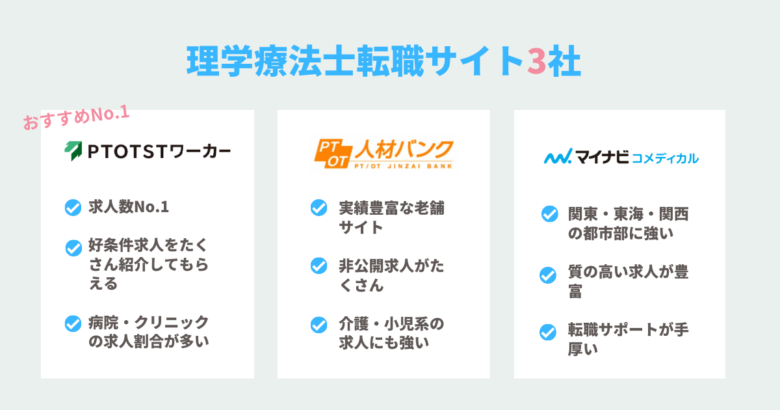
転職エージェントはアドバイザーとの相性、サイトの使いやすさなど人によって合う合わないがあります。
転職サイトのオススメの使い方は、2~3社に同時登録→実際に使いながら自分に合ったサイトをみつける方法です。
mocoより多くの求人に触れることができるのも大きなメリット♪
マイナビコメディカルと併用したい転職サイトは、PTOTSTワーカーとPTOT人材バンク。
詳しくサービス内容について知りたい方は、下記の記事をぜひ参考にしてください。
マイナビコメディカルに関するよくある質問
マイナビコメディカルに関するよくある質問を回答します。
退会はいつでも可能です。
退会方法▼
- アドバイザーへ直接連絡
- お問い合わせフォームから連絡
- 会社へ電話連絡
〉電話番号 0120-941-651
(平日9:30~17:00)
※退会後のしつこい勧誘はないので安心してください。
在職中でも利用できます。
むしろ在職中の転職活動にはエージェントがオススメです。
希望条件に合わせた求人案内、応募先との面倒なやりとりを代行など、嬉しいサポートが充実しています。
現在の勤務先に転職活動がばれることはないので、安心して利用できますよ。
もちろん大丈夫です。
- 数か月後の転職を希望
- まだ転職時期は未定だけど求人紹介だけして欲しい
といった方も登録OKです。
転職活動は早めにスタートさせることで、理想の求人に出会える可能性も上がります。
まとめ|マイナビコメディカルは転職サポートが充実した理学療法士転職サイト
今回は、マイナビコメディカルについて解説しました。
- マイナビコメディカルは転職サポートが手厚い理学療法士転職サイト
こんな人にオススメ
- 信頼感のある大手転職サイトを活用したい
- 求人数が豊富な転職サイトがいい
- 非公開求人をたくさん紹介して欲しい
- 転職がはじめてでサポートをしっかりと受けたい
転職サイトを使おうか迷っている人は、いますぐ登録だけでもすべきです。
いざ本当に仕事を辞めたいと思ってから行動を始めては手遅れになる可能性も・・・
まだ余裕のあるうちに転職活動をはじめておくことが大切です!
moco会員登録は簡単3分で完了します。ぜひこの機会に登録して、転職活動の一歩を踏み出しませんか?
他にオススメの転職サイトは、下記の記事でまとめているのでぜひ参考にしてください。
最後まで読んでいただき、ありがとうございました。
大手マイナビならではの質の高い転職サポートが好評!求人の量・質ともに高い
ハローワークの求人あり!他社にない非公開求人が豊富(地方の転職にもオススメ)
求人数No.1!好条件の求人をたくさん紹介(はじめに登録するならココ)